Personal Finance is a Discipline
In July, I gave a session for incoming freshmen at Rice University.
They were all first generation college students and, generally, were new to personal finance.
After class I was thinking through what stuck. They learned about bank accounts, debt, investments, giving - the usual curriculum.
Knowledge-wise, I (humbly) think I did a pretty good job.
But this time, I added something new.
I explained to the students that while the knowledge I’m teaching them is good, it’s useless without discipline.
I pulled up this slide.
I said “Pick any two of these books and you’ve probably got 95% of the personal finance knowledge you’ll ever need. But the knowledge will not be enough.”
That's because Personal Finance rewards practice, not theory.
Fitness is a near perfect comparison
Many of us know how to be fit, but not everyone is fit.
People who do find success in fitness have a bit of knowledge, and a LOT of consistency.
They do the boring stuff right over and over again.
Does lifting weights once change anything?
Would saving $100 for one month change anything?
But lift weights and save money for 5 years? You’re a whole new person.
Knowledge isn’t useless, but it nearly is without consistency. We have to do the boring, simple stuff over and over again for years. That’s what actually changes our lives.
That’s hard. But it isn’t impossible.
Discipline is simply small habits stacked up over time
Like investing, it:
- Takes a lot of work in the beginning
- Won’t seem worth it in the middle
- Will change your life over the long-term.
Three Tips for You:
1. Automate
Set up automatic transfers into savings or investing. Automatic transfers prevent you from having to have constant willpower. Have it once, let technology handle it from there.
2. Shrink the Win
Start saving just $50/ month.
If you think $50 / month isn’t enough - you’re right.
Slowly you'll start saving more.
How slowly?
Even if it takes you 3 years to get from saving $50 to $1,000 per month, you’ll now have 35+ years of saving $1,000 per month (or more if you keep it up). That’s a $1.7 Million nest-egg in retirement. More than enough.
3. Stack Your Habits
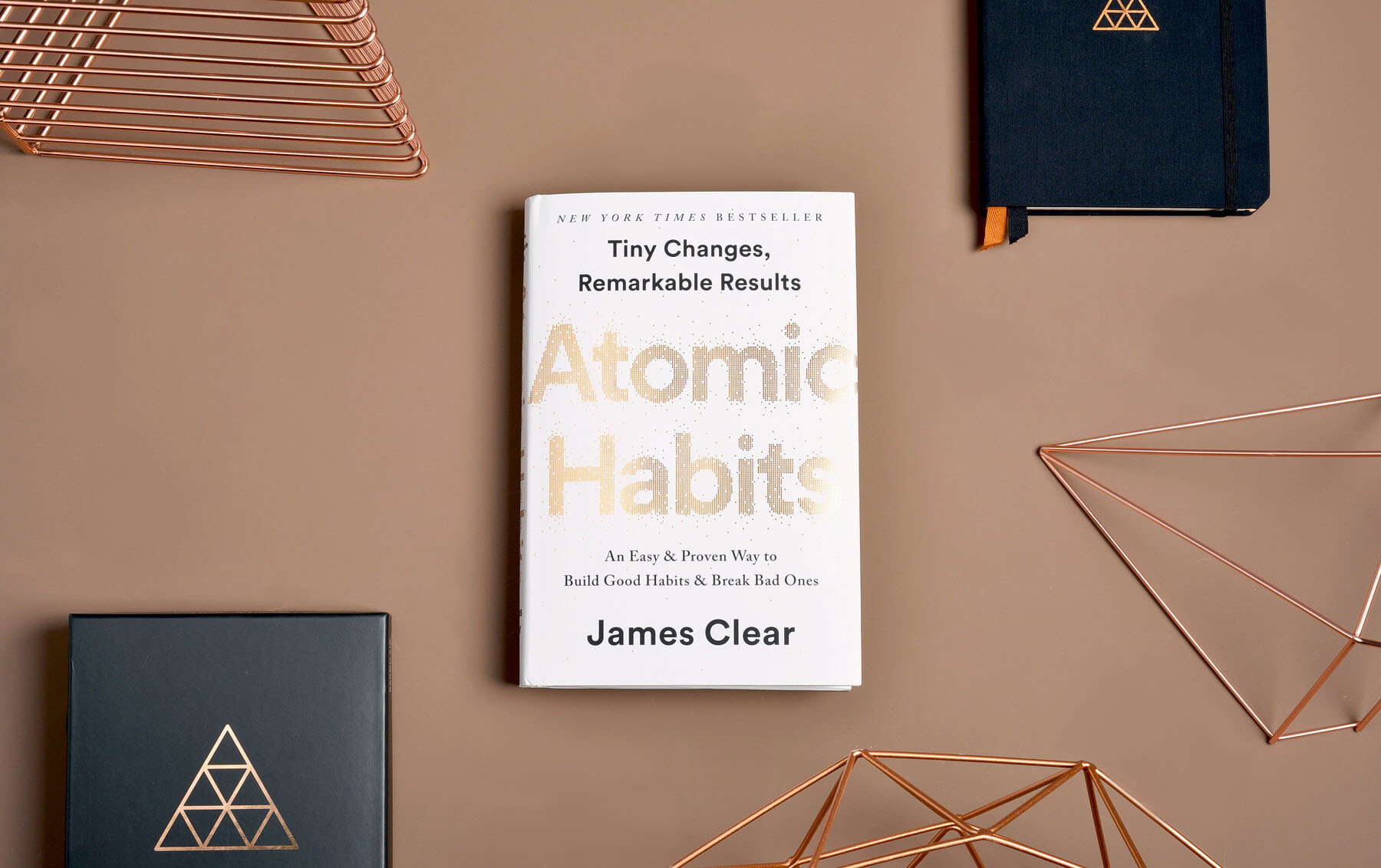
James Clear’s bestseller “Atomic Habits” lists habit stacking as one of the best things you can do. How does it work? Take something you already do and add your new habit on top of it.
For example, “After I drink my morning coffee, I’ll check my budget app”. You’re definitely drinking your coffee every day, now you’ll be more likely to check your budget.
My money journey (like my fitness journey) isn’t 100% consistent. But that’s okay. Discipline isn't perfection.
Build some guardrails, set up the habits, and put yourself in a position to win with money. It’s not easy, but it can absolutely be worth it.
If you need help getting on the right path, reach out!