Mutual Funds vs. ETFs
One of the most common things people recommend when investing is diversification.
Diversification is making sure even your most surefire bet won’t bite you if you’re wrong.
But for years, it was impossible for small investors to easily buy hundreds of stocks to diversify.
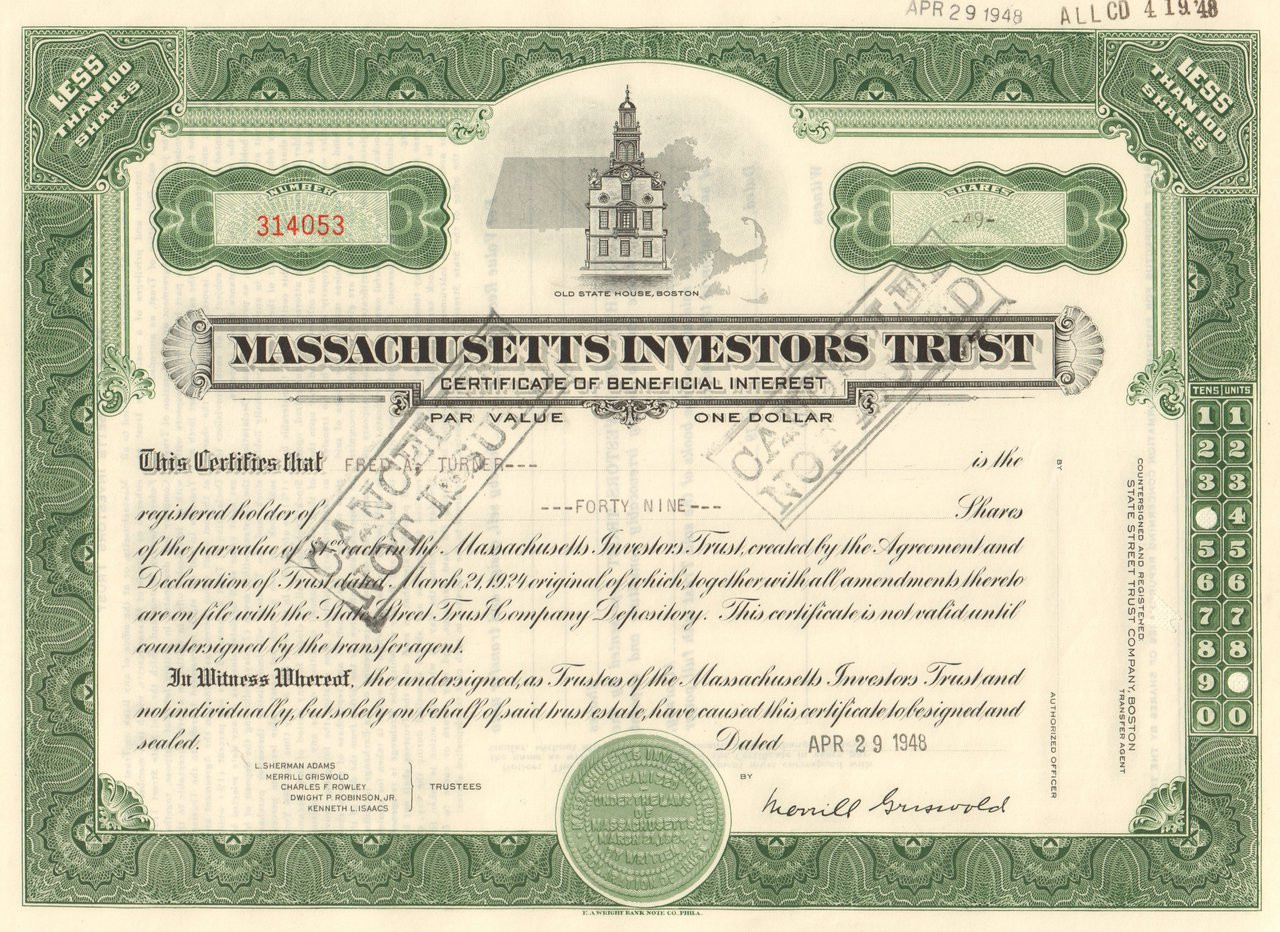
Then in 1924, the Massachusetts Investor’s Trust introduced the mutual fund.
They knew one small investor couldn’t buy hundreds of stocks, but pool a bunch of money together and we’ve got the ability to do the heavy lifting of diversifying for them.
They gave the common-investor access to one of the most important aspects of investing.
But as the internet took hold and investing technology in general improved, a new tool emerged: The ETF.
ETFs took the mutual fund’s best ideas (diversification and structure) and modernized it.
Lower fees, smarter tax handling, no investment minimums.
While these changes may seem minor, they have huge implications for a long-term investor.
Here’s the problem: This innovation is NEW (they became big after 2008). And investors haven’t all caught up.
Investors (including myself) still may be solely focused on mutual funds. Special thanks to Christina for recommending this newsletter topic - I learned a lot writing about it!
That old thinking may be costing us thousands in taxes and missed returns over the years.
First, taxes
Since Mutual Funds pool investors’ money, when one investor sells (redeems) their portion, it can trigger capital gains taxes for the entire fund.
Those taxes get distributed to all shareholders, every year.
Estimates put these taxes at 0.10-0.30% each year.
Losing that much every year might not seem like a lot.
But when you compound that small percentage over a 40 year lifetime investment horizon, it absolutely is.
Next fees
When Mutual Funds were new, they were quite proud of the value they could provide to investors - and they charged for it.
Early stage mutual funds charged 3-8% fees on your initial investment and up to 2% per year just to stay in the fund.
It worked, until technology caught up. Today, you can get the exact same basket of 500 US stocks for 0.03% per year through an ETF.
Here’s 5 different Mutual Fund/ETF pairs. As you can see, some charge double for the same asset.
Between Taxes and Increased Fees, you could lose thousands of dollars just for choosing the wrong fund.
Aside from the cost perspective, ETFs also pose some advantages that investors will prefer.
First, they don’t have minimums. If you’re an experienced investor, a $5,000 minimum might not scare you.
If you’re brand new, that may keep you out of the game altogether.
ETFs are also able to be traded during the day. Mutual Funds only get bought/sold at the end of the trading day.
Now, 99% of investors shouldn’t be day trading, so in that sense it’s not a perk. But flexibility matters for life events.
When we were buying a house, we were selling in the middle of the tariff volatility earlier this year.
Having to wait until the end of the day limited our flexibility to time when we sold. And a couple percentage points on a home down payment certainly matters.
So, what should you do?
If your investments are in a 401(k), probably stick with mutual funds. ETFs won’t offer any tax advantages if you’re in a tax deferred account.
For your brokerage account, it may be worth exploring putting all new money in an ETF twin of your mutual fund.
If you’re not sure what you’ve got or how to check, schedule a quick session with me and we’ll review it together.
Either way, remember: The best investments only work if you use them consistently. A steady monthly deposit into a mutual fund beats a once in a while deposit into an ETF. Don’t overcomplicate it, just keep investing!