The Fast Start Approach to Student Loans
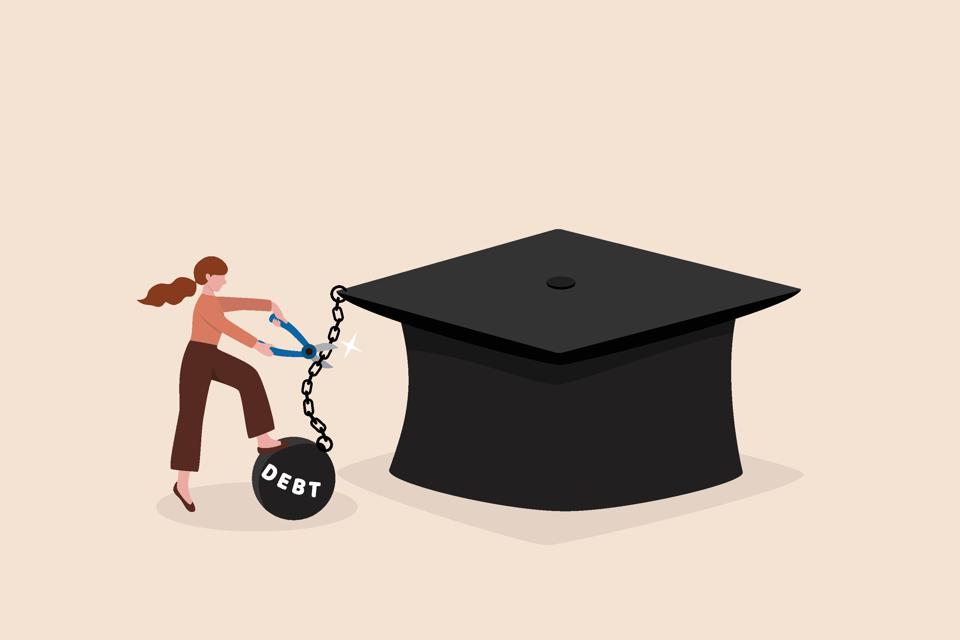
60% of us graduate with student loans with an average balance of over $30,000.
That’s a serious financial burden as you look to start your life post-grad.
A large number looming over you like that can be scary. And it is. Paying it off is a journey that is harder for us than previous generations.
But every journey, no matter how daunting, begins with a single step.
So join us, friend, today we’ll learn how to start small and put you in a position to eventually be debt free.
First, let’s understand where we are.
This step is the most tedious and the most important.
For each of your student loans you need to get:
- The total amount of money you owe (also called your balance)
- Your interest rate
- Your minimum monthly payment
- Time Remaining on the Loan
Have you totaled up your debt before like this?
Many haven't.
That’s because understanding our reality can be terrifying.
But ignorance doesn’t change your balance - you have to know where you are so you can get where you want to be!
So take a look and write it down.
When you’re done, you want to be able to say something like: I have $45,000 in student loans. By spending about $500 per month for the next 10 years, I will have it paid off.
Bonus points if you can also say “During the loan, I will pay $X in interest” ← That will come into play later.
Now that you know your baseline, it’s time to decide where you want to go.
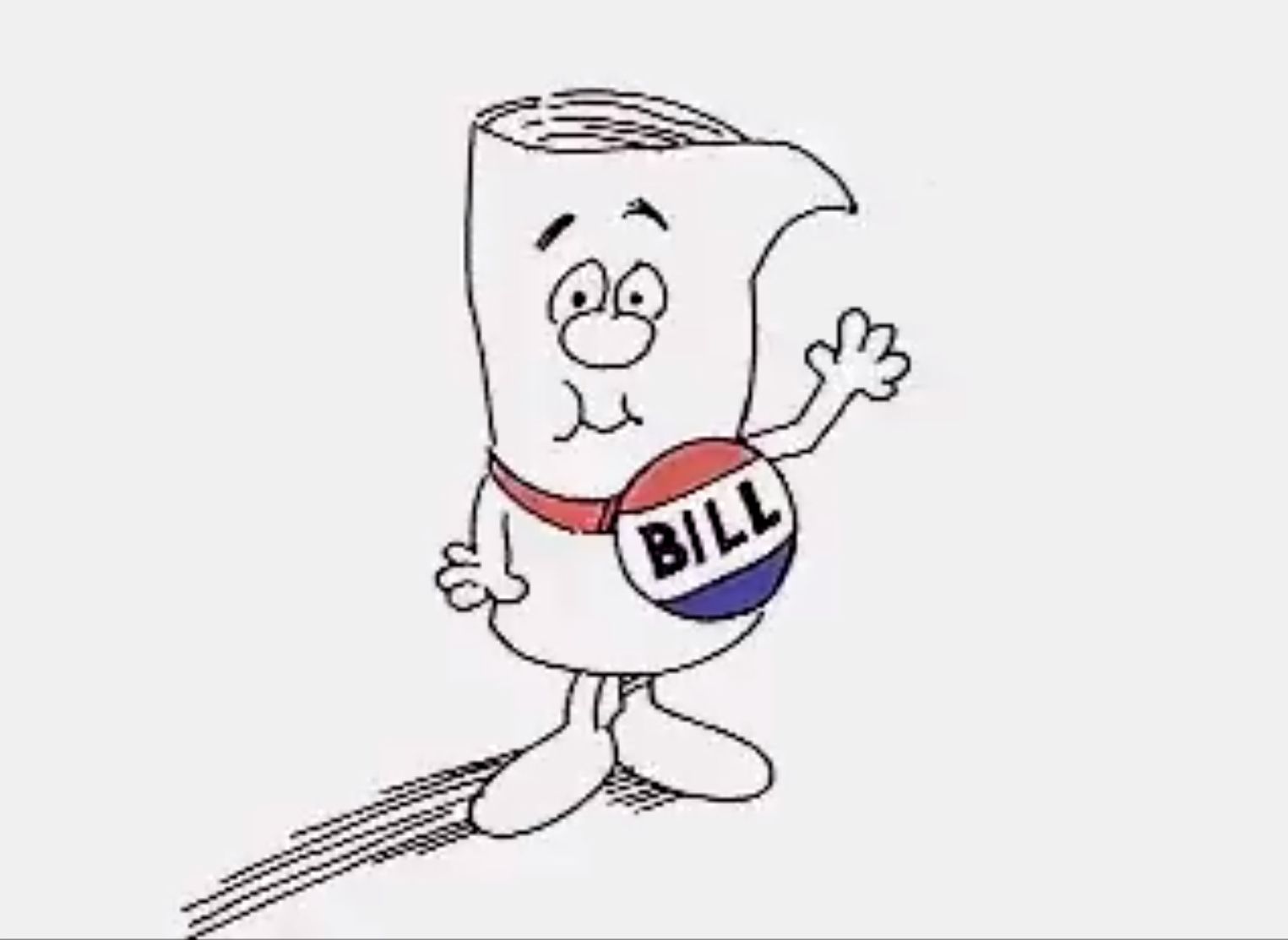
And since 90% of loans are Federal, the next place to go is the Big Beautiful Bill.
Don’t shoot me for bringing up politics, but the new bill has big implications for Student Loans. Here’s what you need to know:
- The SAVE Plan is being phased out. If you were using it, you will be moved off of it by 2028
- A New Plan called Repayment Assistance Plan (RAP) is replacing SAVE. Required monthly payments will range from 1%-10% of your income (depending on your income level) and total loan forgiveness will kick in after 30 years instead of 20-25.
- Interest is Starting Up Again. If you aren’t covering your interest in your monthly payment, your balance will start to grow again this month
So, if you’re currently on SAVE or thinking about loan forgiveness, DON’T WAIT. Go to StudentAid.gov and start researching alternatives. Ask me or ChatGPT if you have questions - happy to help.
Once you understand the federal options, you have one of three decisions:
1. Pay Off Loans Early
If your debt balance is less than your annual income, you can likely afford more than the minimum payment while still saving for other goals (retirement, house, etc.).
If this is you, start throwing an extra $100-$200 / month at your loans.
If you find you are living fine without that money, keep it up (and maybe bump up your payments even more).
I’ve never met someone who wishes they stayed in debt longer.
Want to see the difference extra money can make on your loans? Use this calculator (even an extra $100 can shave off years)
2. Minimum Payments
If your debt balance is close to your annual income, your monthly payments might make it hard to both pay extra and save for other goals.
Because of that, it may make sense to keep the normal payment schedule and then throw any additional dollars at an emergency fund, RothIRA, or brokerage account.
That way, you keep current on payments and slowly build a nest egg.
3. Forgiveness Track
If you owe way more than your income or work for a Non-Profit/the Government, it may make sense to go the forgiveness track.
It’s important to make sacrifices to get out of debt, but it’s also important to realize when you need to leverage some assistance. These don’t hurt your credit score and can help give you some breathing room month to month.
Get on RAP and sign up for Public Service Loan Forgiveness (PSLF), if you qualify. These are great programs - take advantage of them if you need them.
A few final reminders:
- Student loans can be scary and complicated. Be stressed but don’t let that stress paralyze you. Ask people for help and make a plan.
Not taking action only increases your loans and prevents you from achieving your other financial goals (the fun ones like vacations and cars!).
- Build flexibility first. An emergency fund matters way more than an extra $50 to Navient - take care of your core needs first.
- Revisit your plan annually. New jobs, marriage, law changes - student loan repayment is not a set it and forget it.
That’s the Fast Start Approach to Student Loans. It isn’t “pay it all off and live on rice and beans”. All I’m asking is that you make a smart plan, and stay in control.
Need help? Reach out!